
Ultimate Guide to Nangma Valley Trek: Route, Cost, Itinerary & Everything You Need to Know
Have you heard of Everest Base Camp? Most people have. But few Foreigner know about the Nangma Valley trek in Pakistan. This hidden gem sits deep in the Karakoram Range. Giant granite towers rise straight up from green meadows. At night, the sky fills with stars. Locals call it the Yosemite of Pakistan, and once you see it, you’ll understand why.
This guide covers everything you need for your trek to Nangma Valley. We’ll cover the route, the best time to go, a full itinerary, real costs, permits, and what to pack. By the end, you’ll know if this Nangma Valley trekking trip is right for you.
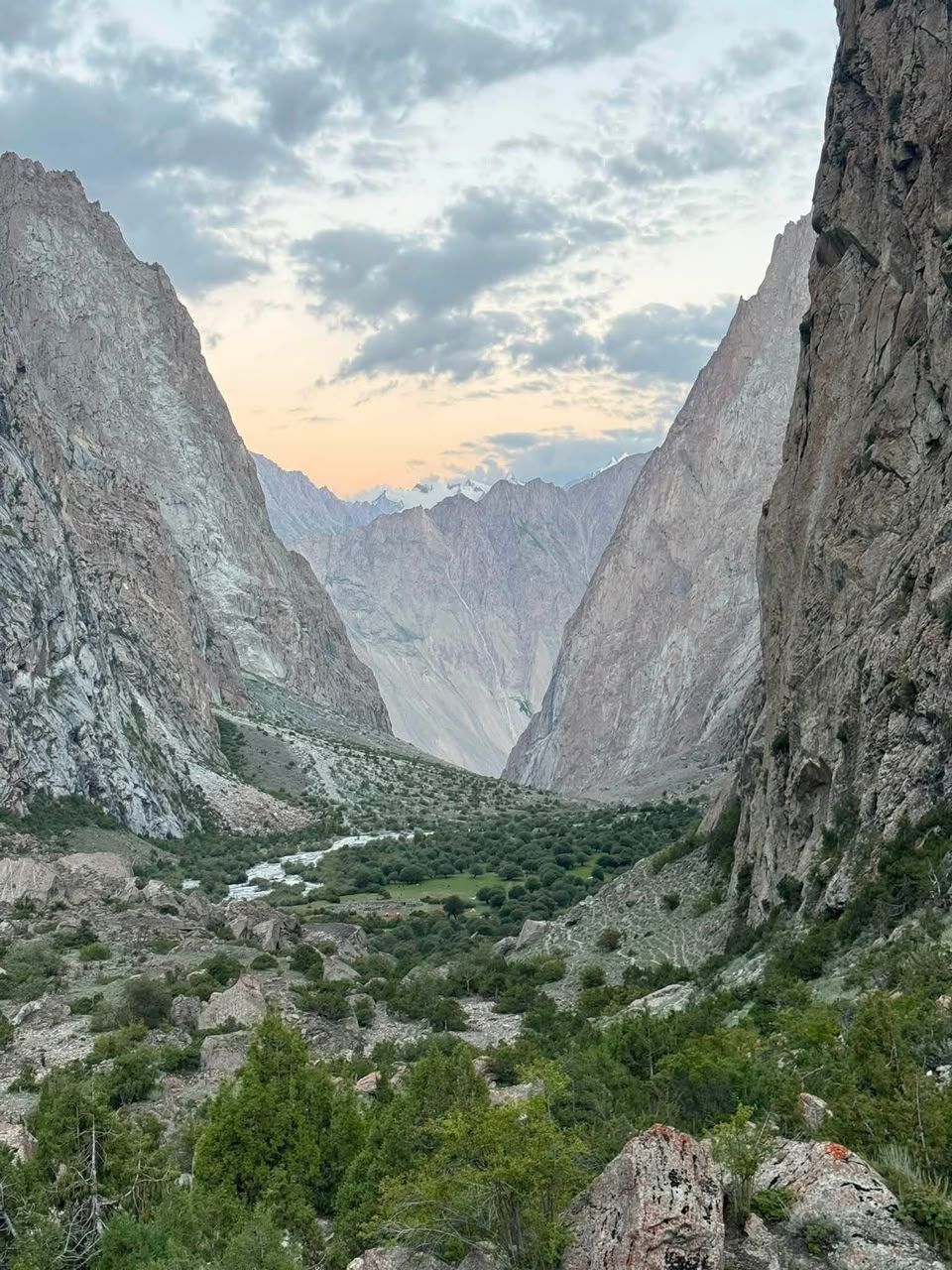

What is Nangma Valley? (Overview & Location)
Nangma Valley sits in the Ghanche District of Gilgit-Baltistan, in northern Pakistan. It’s part of the Central Karakoram National Park. The valley sits close to Khaplu town. You’ll also see it spelled Nagmah Valley or Naghma Valley. These are just different spellings of the same place.
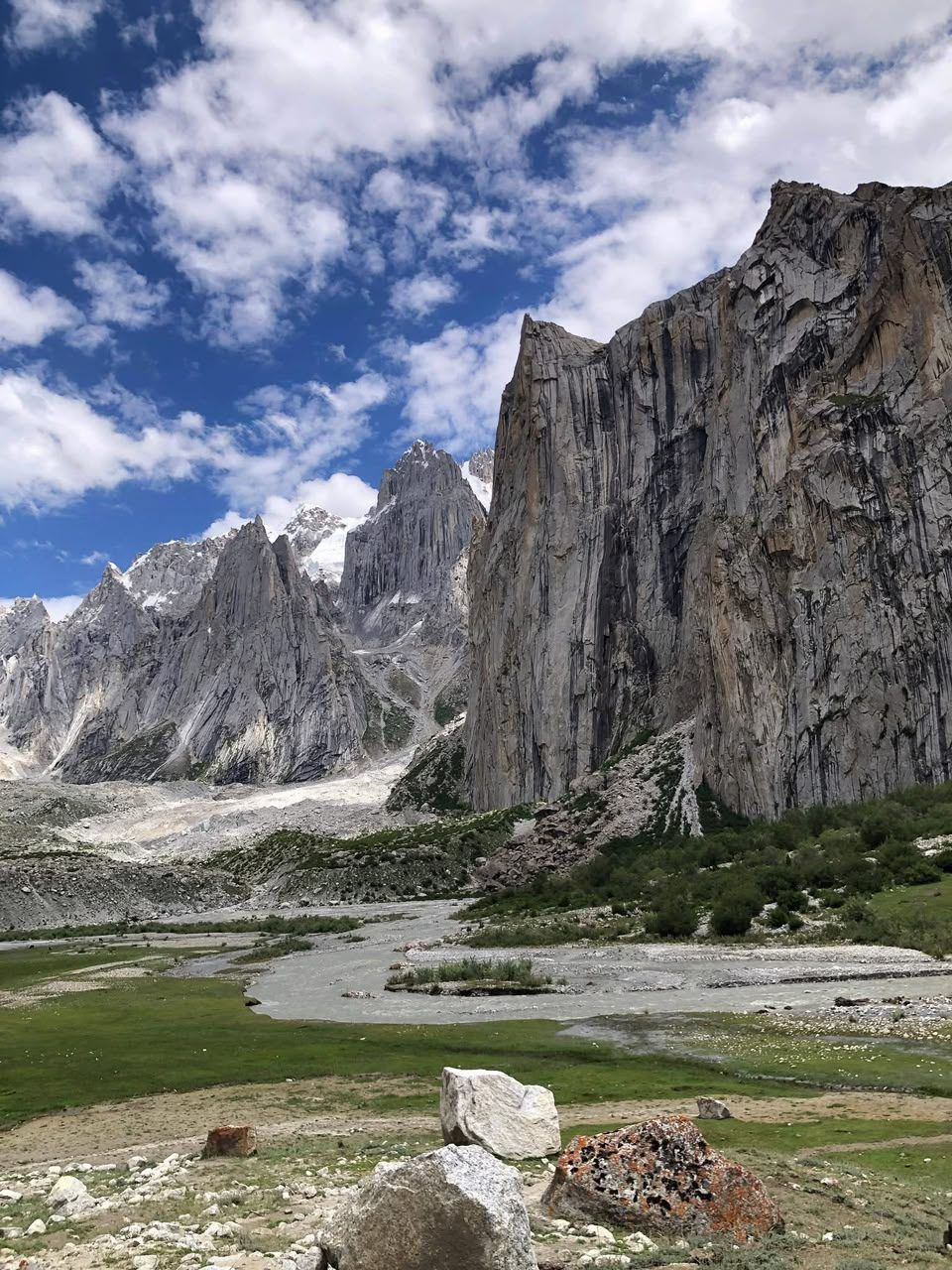
The valley floor sits around 4,000 meters high. That’s about 13,000 feet. Huge granite walls shoot straight up from the ground. Some are over 1,000 meters tall. This is why people compare it to Yosemite in California. In 1970, a climber named Eduard Koblmiller saw the valley and called it a place of “primordial beauty.” That description still fits today.
Nangma Valley Trek at a Glance
Feature | Details |
Location | Ghanche District, Gilgit-Baltistan |
Nearest town | Khaplu |
Trailhead | Kanday village |
Altitude | 2,680m to 4,500m |
Trek difficulty | Easy to moderate |
Trip length | 5 to 12 days |
Nangma Valley Trek Highlights
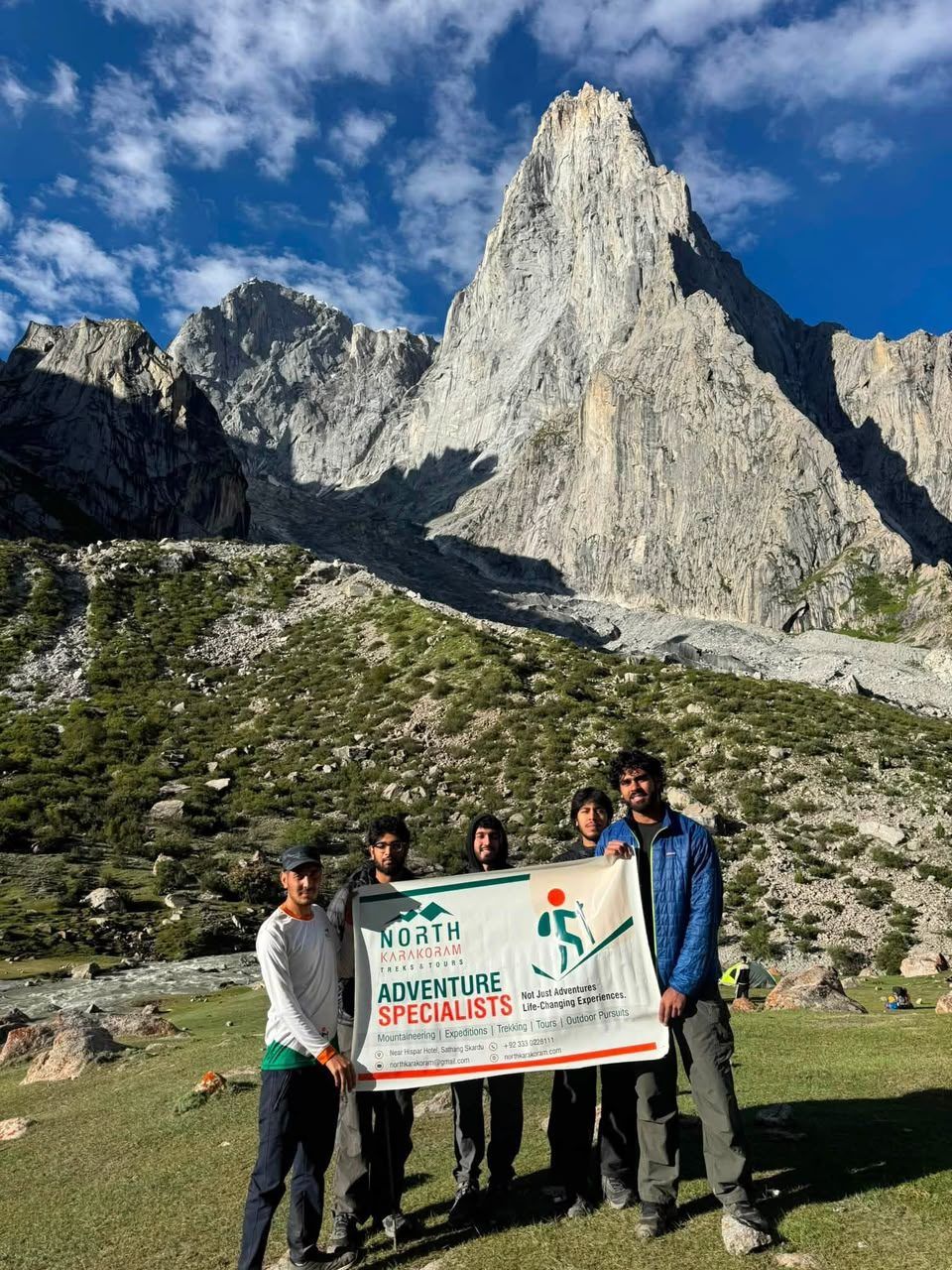
The granite towers are the main attraction here. Amin Brakk, also called the Great Tower, is the most famous one. Nearby you’ll also spot the Grey Tower and the Changi Tower. These walls glow orange at sunrise. Climbers travel from all over the world to try these routes, especially during the summer climbing season.
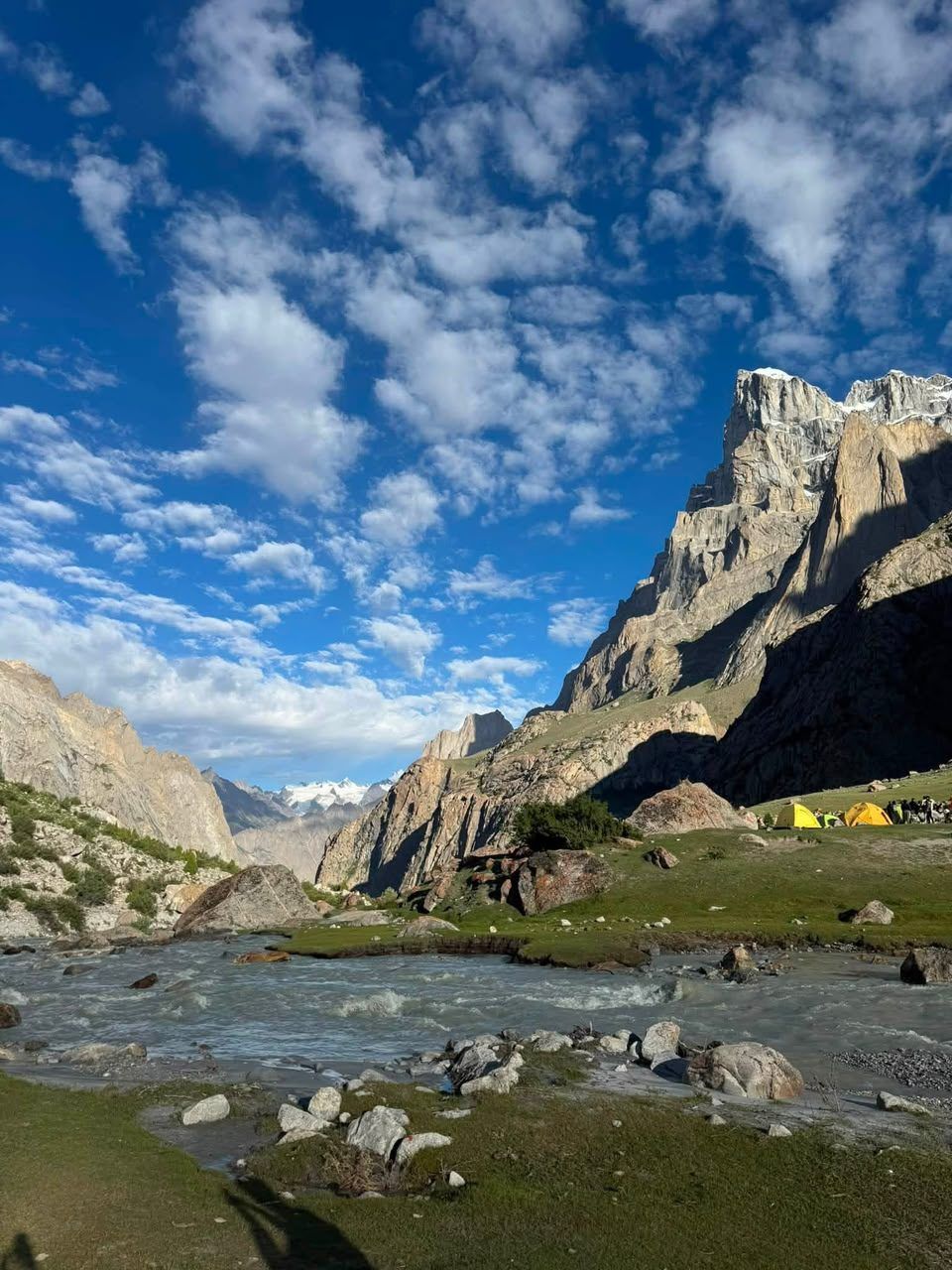
The Mingulu Broq meadow is another highlight. It sits by a stream, shaded by willow trees. Local shepherds graze their animals here, so you might meet one along the way. You’ll also cross two suspension bridges over rushing water. Many trekkers add a side hike to Amin Brakk Base Camp, at about 4,500 meters. Most say it’s the best day of the whole trip.
How to Get to Nangma Valley (Access & Route)
Getting here takes some effort. First, you’ll fly to Islamabad from your country, usually with one stopover. From Islamabad, you can catch a scenic mountain flight to Skardu, or drive the long way on the Karakoram Highway.
From Skardu, you’ll drive to Khaplu. This is called the Skardu to Khaplu drive, and it follows the Indus and Shyok rivers. It takes about five hours and passes through small Balti villages. After Khaplu, a rough jeep track leads to Kanday village, the trailhead for the trek. From there, you walk. The hike to Mingulu Broq meadow takes about four hours.
Route Summary
Leg | Mode of Travel | Time |
Islamabad to Skardu | Flight or drive | 1 hour or 20+ hours |
Skardu to Khaplu | Car | 4–5 hours |
Khaplu to Kanday | Jeep track | 1–2 hours |
Kanday to Mingulo Broq | On foot | 4–5 hours |
On foot | 2-3 hours |
Best Time to Trek Nangma Valley
Timing matters a lot here. The trekking season runs from June–September. July and August are the best months. Trails are clear, and the meadows turn bright green. June can still have some snow at higher points. September is quieter, but nights get cold fast.
Don’t trek here in winter or early spring. Heavy snow closes the roads and trails. Even in late spring, melting snow makes river crossings risky. If you’re planning a summer trip , aim for early July through early September. That’s when you’ll get the best weather and the fullest trail access.
Nangma Valley Trek Itinerary (Day-by-Day)
Most guided trips run 7 to 12 days total. This includes your time in Islamabad. The trek itself takes about 4 to 6 days on the trail. Below is a simple 10-day plan that most operators follow.
You’ll spend a day or two in Islamabad first, then fly to Skardu. From there, you’ll drive to Khaplu and then to Kanday, where the real walking starts. You’ll spend a few days exploring Nangma Valley, with time built in for the Amin Brakk side trip. Then you’ll walk back out and fly home from Islamabad.
Sample 10-Day Itinerary
Day | Activity |
1 | Arrive Islamabad, rest |
2 | Fly to Skardu |
3 | Drive to Khaplu |
4 | Drive to Kanday, trek to Mingulu Broq |
5 | Explore valley, optional Amin Brakk hike |
6 | Rest day at Mingulu Broq |
7 | Trek back to Kanday |
8 | Buffer day in Skardu |
9 | Fly to Islamabad |
10 | Depart home |
Total Cost & Packages (Budget vs Guided Tours)
Let’s talk money. A guided Nangma Valley trek package usually costs $1,600 to $2,300 per person. This covers flights within Pakistan, meals, guides, and camping gear. A guided tour is easier and safer than going it alone. In fact, the law requires a licensed guide inside the national park, so a fully independent trip isn’t really possible anyway.
Estimated Total Cost
Expense | Cost (USD) |
Guided trek package | $1,600–$2,300 |
Single supplement | $400–$450 |
Pakistan eVisa | $60–$100 |
Travel insurance | $100–$250 |
Tips | $100–$200 |
Total | $22,60–$3,300 |
Permits, Difficulty Level & Fitness Requirements
Nangma Valley sits inside a national park, so you need a permit to enter. Your guide arranges this for you. You’ll also need a Pakistan eVisa before you fly out. Foreign citizens apply online through the NADRA portal. It costs $60 to $100 and takes one to two weeks to process.
As for Nangma Valley trek difficulty, most guides rate it as easy to moderate. You don’t need climbing skills or ropes for the main route. Still, you’re walking at high altitude, so don’t skip your fitness prep. Regular walks, stair climbing, and some cardio training in the months before your trip will help a lot.
What to Pack – Essential Gear List
Packing right makes a big difference on this trek. Bring warm layers, since nights get cold even in summer. A waterproof jacket, a fleece, and a base layer will cover most weather. Good hiking boots matter too. Break them in before you go, or you’ll regret it on day one.
Don’t forget sun protection. The sun is strong at this altitude. Pack sunscreen, sunglasses, and a hat. You’ll also want a headlamp, a first-aid kit, and a way to purify water. For tech, bring a power bank and a plug adapter, since Pakistan uses different outlets than the US.
Packing Checklist
Category | Items |
Clothing | Base layer, fleece, waterproof shell |
Footwear | Hiking boots, camp shoes |
Sleep | Warm sleeping bag |
Safety | Headlamp, first-aid kit, water filter |
Sun | Sunscreen, sunglasses, hat |
Tech | Power bank, plug adapter |
Camping Options & Where to Stay During the Nangma Valley Trek
Where you sleep changes as you move deeper into the mountains. In Skardu, you’ll find normal hotels, from cheap to comfortable. In Khaplu, try to stay at the Khaplu Fort, a restored 19th-century fort turned heritage hotel. It’s one of the most special places to sleep in the whole region.
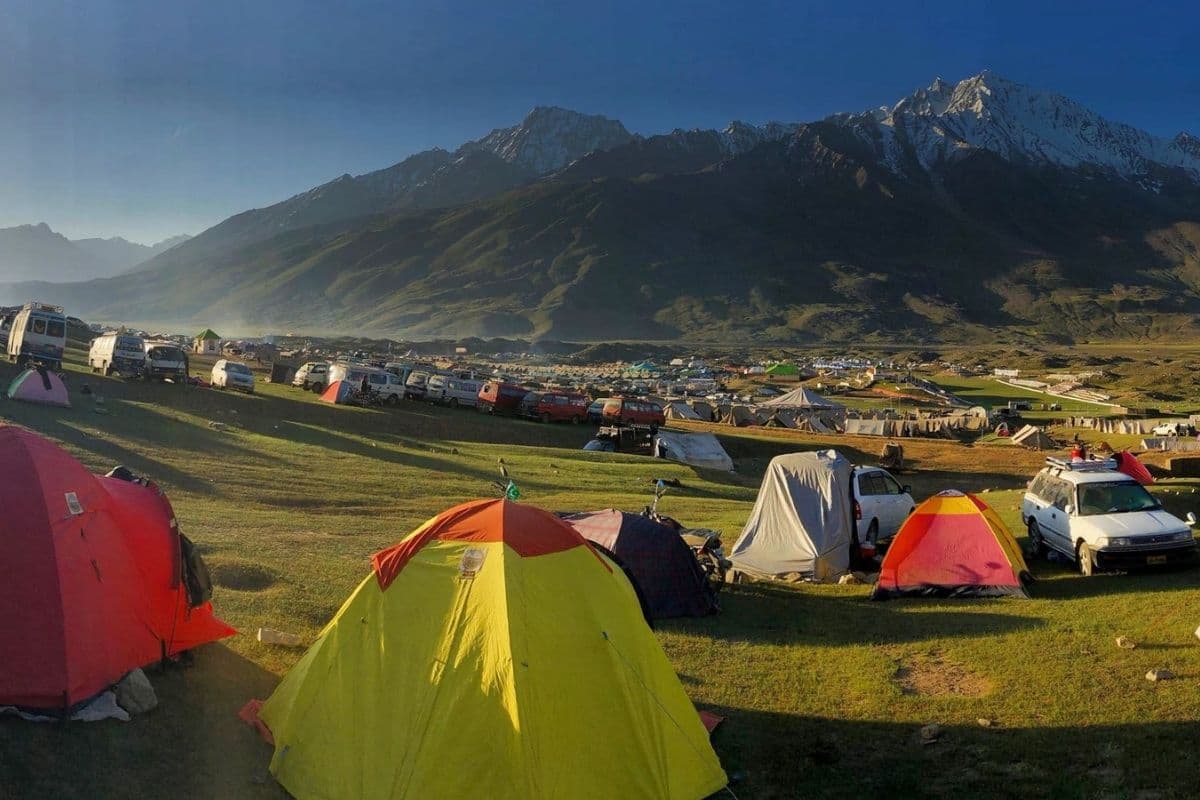
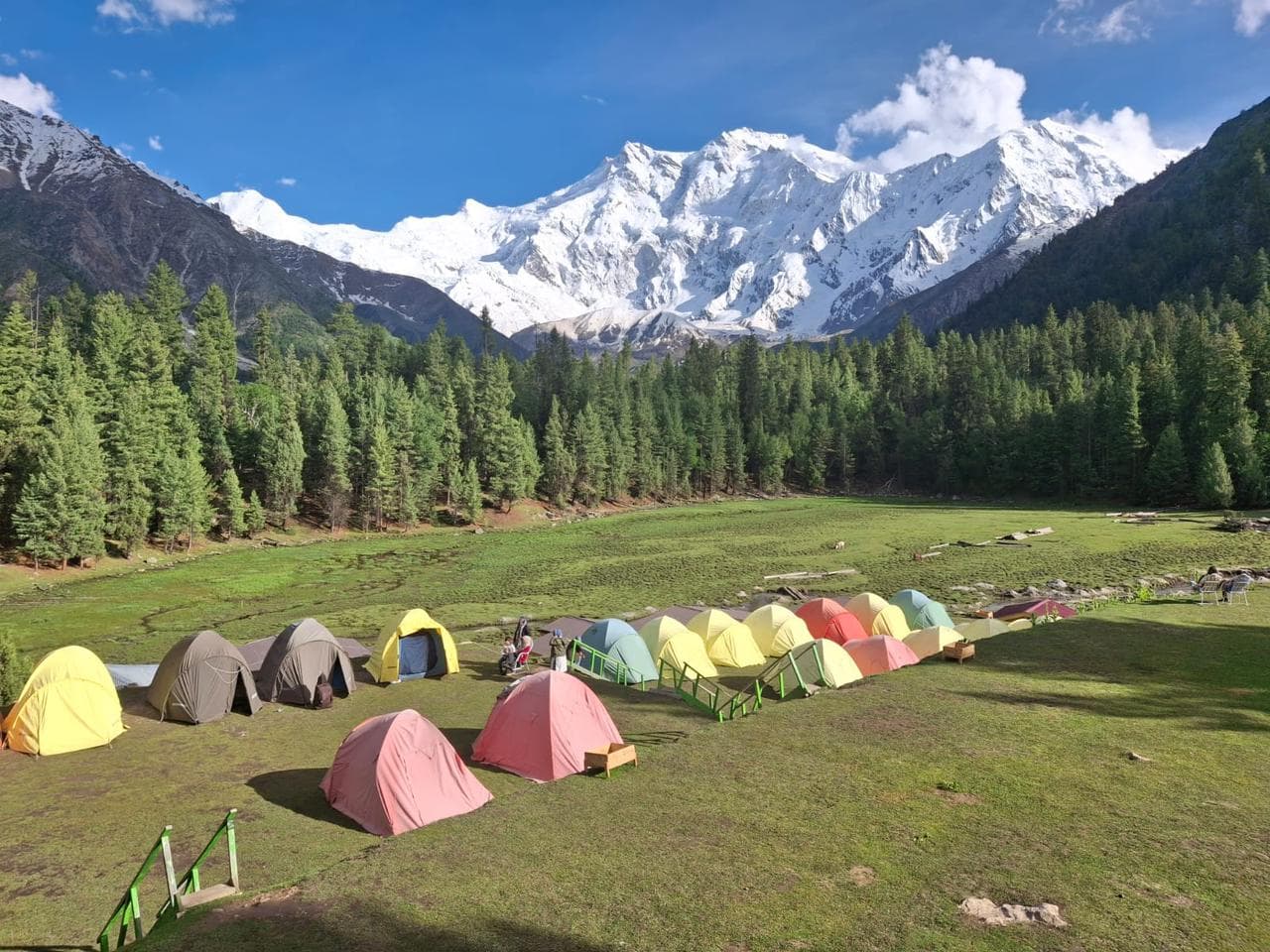
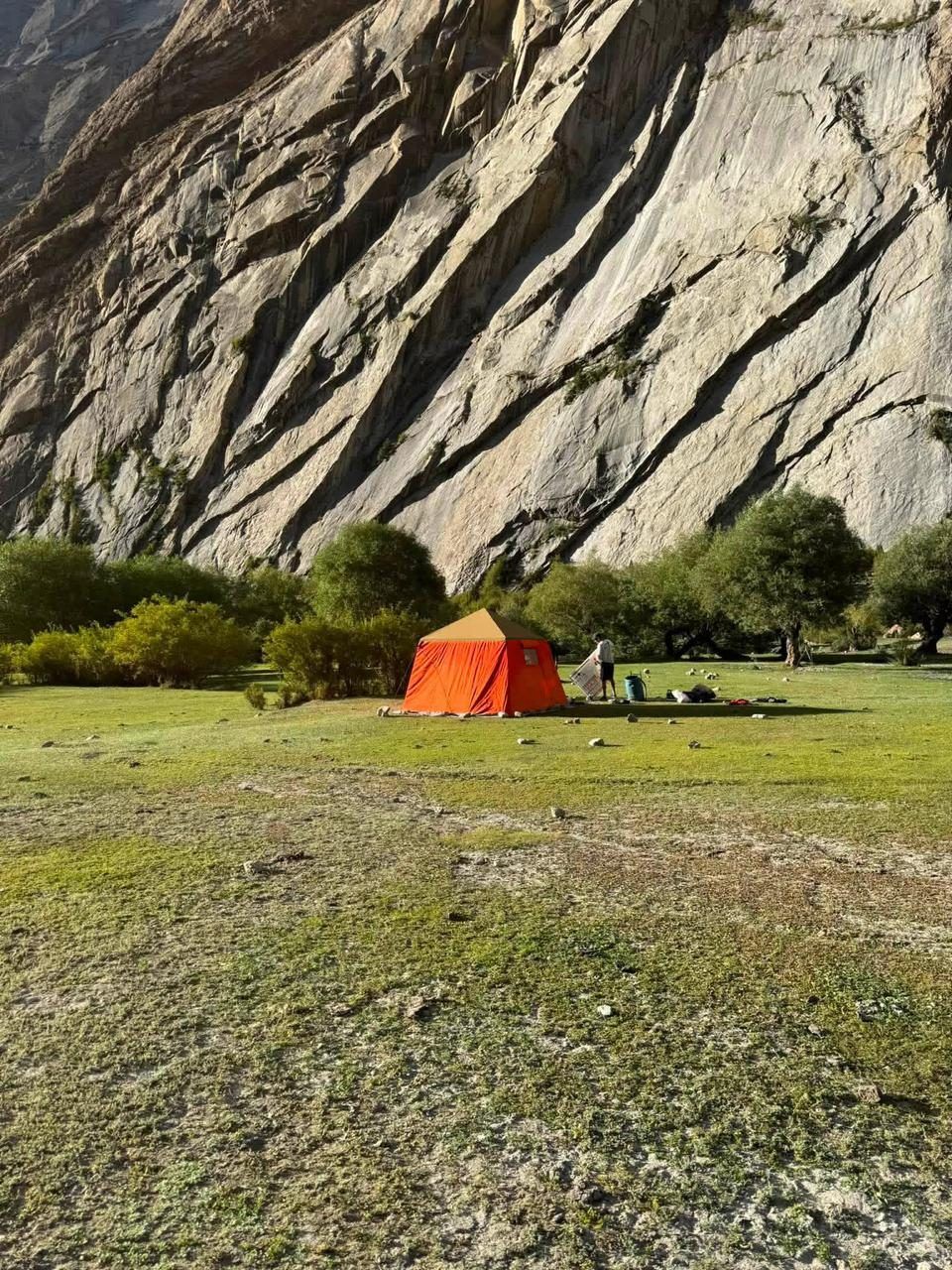
Once you reach Kanday village, things get simpler. You’ll find a few basic guesthouses in Kanday, but most trekkers move straight into camping from here on. At Mingulu Broq meadow and beyond, camping is the only option. Don’t worry, though, your guide will supply tents, sleeping mats, and hot meals.
Balti Culture, Cuisine & Local Hospitality
The people here are part of what makes this trek special. Balti culture has deep roots, shaped by old trade routes to Tibet and Central Asia. You’ll notice it in the food, the buildings, and the warm welcome you get in every village.
Balti hospitality is real and generous. Locals often invite trekkers in for tea, so come hungry. Butter tea is a common drink here, made with tea, butter, and salt. It’s an acquired taste, but worth trying once. On the trail, you’ll eat traditional Balti food like balay soup and chap shuro, a stuffed flatbread. Both are full of calories, perfect fuel after a long walk.
Tips for a Safe & Memorable Trek
Buy travel insurance that covers high-altitude trekking. Standard policies sometimes skip this, so check the fine print first. Watch for signs of altitude sickness too, like headaches or nausea. If you feel unwell, rest and drink water before going higher.
Respect local customs. Dress modestly in villages, and always ask before taking someone’s photo. Drink only purified water, even from clean-looking streams. Cell service disappears once you leave Skardu, so tell your family not to worry if you go quiet for a few days. Finally, follow leave-no-trace principles. Pack out your trash, and treat the land with care.
FAQs About Nangma Valley Trek
How difficult is it to trek Nangma Valley?
It's rated easy to moderate. No technical climbing or ropes are needed on the main route, but it is a high-altitude trek, so basic fitness and some acclimatization help.
How long is the Nangma Valley Trek?
Most guided trips run 7 to 12 days total, including travel to and from Islamabad. The actual trekking portion takes about 4 to 6 days.
Where is Nagma Valley located?
It's located in the Ghanche District of Gilgit-Baltistan, in northern Pakistan, inside the Central Karakoram National Park, close to Khaplu town.
How to reach Nangma Valley?
Fly or drive from Islamabad to Skardu. From Skardu, drive about five hours to Khaplu, then continue by jeep track to Kanday village, the trailhead. From there, you trek in on foot to Mingulu Broq meadow.
How far is Nangma Valley from Skardu?
It's roughly five to six hours away by road, via Khaplu and then the jeep track to Kanday village.
What is the most challenging trek in Pakistan?
The K2 Base Camp trek is generally considered the most challenging trek in Pakistan, due to its high altitude, long multi-week duration, and demanding, remote terrain along the Baltoro Glacier.
Final Thoughts
Nangma Valley is not your average trek. It’s wild, quiet, and still mostly undiscovered by American travelers. Between the granite towers, the warm Balti welcome, and the short trip length, it’s an easy trek to fall in love with. Start planning your dates, book a licensed guide, and get ready for a trip you won’t forget.
North Karakoram Team
Experienced guides and mountaineers from Gilgit-Baltistan, sharing first-hand stories from Pakistan's greatest mountain ranges.